Pharmaceutical research is at the forefront of developing innovative treatments that could potentially revolutionize the healthcare landscape. In recent years, significant advancements have been made in various areas such as gene therapy, personalized medicine, and artificial intelligence applications in drug discovery. This article delves into some of these key developments and their implications for patients and healthcare providers.
Gene therapy : rewriting genetic codes
One of the most promising arenas in pharmaceutical research is gene therapy. By altering the genes inside a patient’s cells, researchers can effectively treat or even cure genetic disorders. For instance, the approval of therapies targeting specific genetic mutations in diseases such as spinal muscular atrophy and certain types of inherited blindness marks a significant milestone. These treatments not only improve patient outcomes but also open up new possibilities for tackling other complex genetic disorders. Researchers are now focusing on expanding these therapies to address conditions like cystic fibrosis and muscular dystrophy, utilizing viral vectors to deliver corrective genes with increasing precision and safety.
Personalized medicine : tailoring treatments
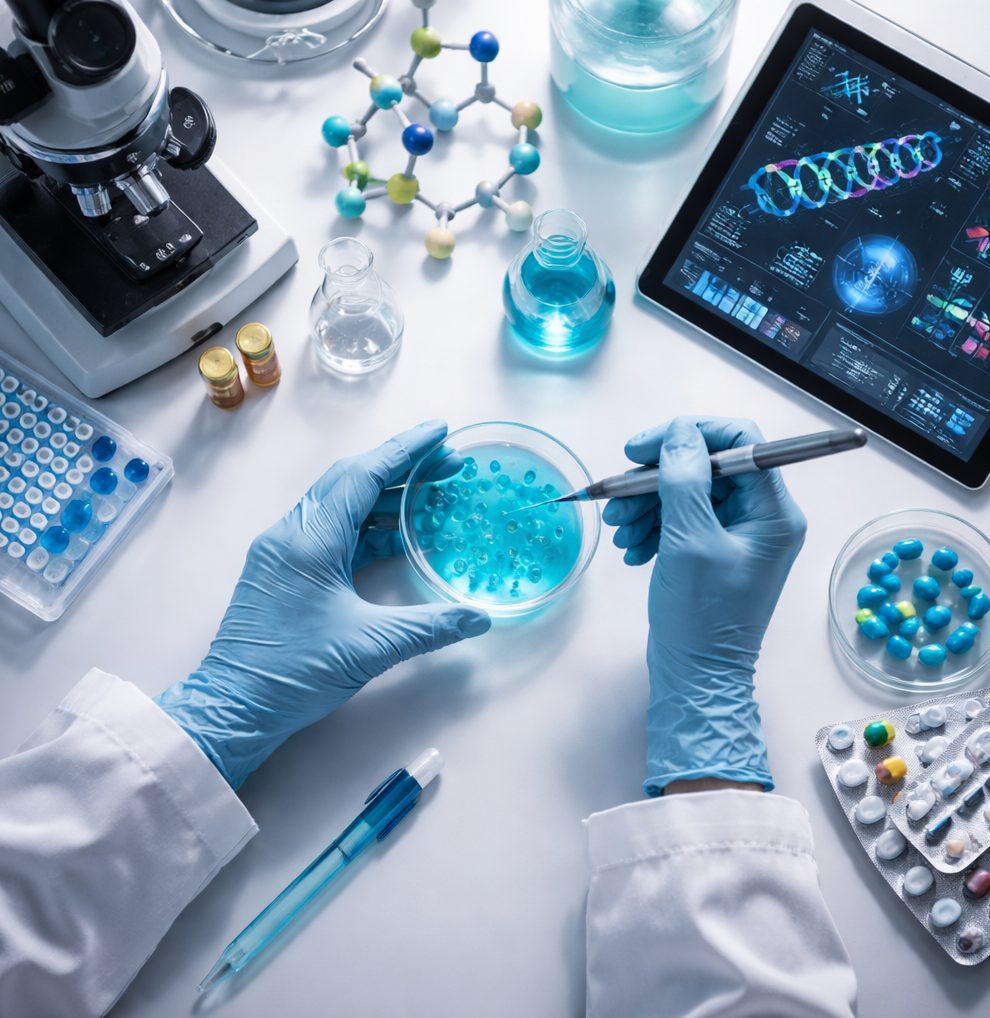 Personalized medicine has gained momentum with advances in genomic sequencing. Unlike traditional approaches, this strategy tailors medical treatment to the individual characteristics of each patient. By analyzing a patient’s genetic profile, healthcare providers can predict which treatments will be most effective, minimizing trial and error. This concept is making strides particularly in cancer treatment, where therapies are being customized based on the genetic mutations driving a patient’s tumor. For example, targeted therapies in breast cancer patients with HER2-positive tumors have significantly improved survival rates. As more healthcare institutions integrate personalized medicine into routine care, patients can expect more precise and effective interventions.
Artificial intelligence in drug discovery
Another exciting development is the integration of artificial intelligence in drug discovery. AI algorithms have the capacity to sift through massive datasets to identify potential drug candidates at a pace that was unimaginable a decade ago. This not only accelerates the drug discovery process but also reduces costs. AI has already been instrumental in identifying new uses for existing drugs, which can expedite bringing treatments to market, especially critical during public health emergencies. Additionally, pharmaceutical companies are leveraging machine learning models to predict the pharmacokinetic and toxicological profiles of new compounds, thereby optimizing the early stages of drug development.
Monoclonal antibodies : precision targeting
Monoclonal antibodies are engineered molecules designed to target specific pathogens or cells. They have become a focal point in pharmaceutical research, particularly for autoimmune diseases and cancer. These antibodies are tailored to precisely bind to targets, rendering treatment more effective and reducing side effects. Recent breakthroughs have enabled the production of bispecific antibodies, which can simultaneously target two different sites, further enhancing their therapeutic potential. Clinical trials are increasingly focusing on combination therapies that include monoclonal antibodies, aiming to enhance efficacy and overcome resistance in tumor cells.
Regenerative medicine : healing from within
Recent advances in regenerative medicine are focusing on harnessing the body’s own repair mechanisms to recover function and heal tissues. Stem cell therapies are being explored to treat conditions ranging from heart disease to neurodegenerative disorders. The ability to regenerate damaged tissues and organs could significantly transform treatment protocols and improve quality of life for patients suffering from chronic illnesses. Initiatives in tissue engineering and 3D bioprinting are also paving the way for creating lab-grown organs, potentially addressing the shortage of organ donors and providing patients with tailored transplants.
These breakthroughs in pharmaceutical research demonstrate the remarkable potential of science to enhance human health. As these treatments become more widely available, they offer the promise of individualized care, longer life expectancies, and improved quality of life for countless individuals. The pace of innovation continues to accelerate, paving the way for a future where diseases that were once deemed incurable can be effectively managed or even eradicated. Healthcare providers and researchers must continue to collaborate, ensuring that these innovations are effectively integrated into clinical practice and accessible to diverse populations worldwide.